
Generality/Definition
-
Listen /
Stop:
Maternal rubella (German measles) in the first trimester of pregnancy is generally responsible for a triad of defects in the fetus: heart defects, hearing problems and eye problems; mental retardation also often accompanies these defects. Ocular involvement is typically cataracts (bilateral in 75% of the cases) but also may include uveal colobomas, searching nystagmus, microphthalmus, strabismus, retinopathy, and infantile glaucoma.
Source: Rubella cataract (tsbvi.edu)
Other information:
Open -
Close
-
Listen /
Stop:
The name rubella is derived from a Latin term meaning little red. Rubella is generally a benign communicable exanthematous disease. It is caused by rubella virus, which is a member of the Rubivirus genus of the family Togaviridae. The major complication of rubella is its teratogenic effects when pregnant women contract the disease, especially in the early weeks of gestation. The virus can be transmitted to the fetus through the placenta and is capable of causing serious congenital defects like cataract, abortions, and stillbirths.
Source: Rubella cataract (emedicine.com)
|
Other information:
Open -
Close
-
Listen /
Stop:
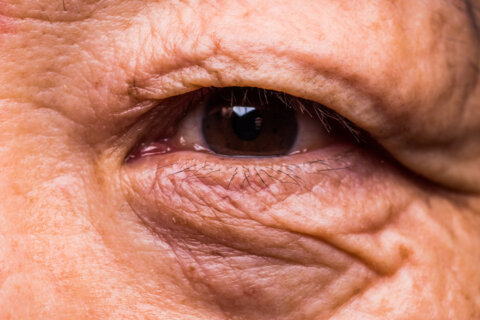
A cataract is a cloudy or opaque region of the normally transparent lens in the eye. The most common clouding of the lens occurs in the nucleus. Typically this nuclear cataract is found in older people. The lens gradually grows cloudy as the person ages. When the opaque area increases, it prevents light rays from passing through the lens to focus on the retina, the light sensitive tissue at the back of the eye. Babies born with cataracts have what is called congenital cataracts. They occur most often when the mom has some sort of infection, like rubella, or sometimes other family members also have cataracts and the baby gets them because of a genetic link. Cataracts may be caused by aging, eye injuries, exposure to harmful sunrays or chemicals, being hit in the eye, and a poor diet.
Source: Cataracts (uniteforsight.org)
|
Epidemiology
-
Listen /
Stop:
Ocular abnormalities including cataract, infantile glaucoma, and pigmentary retinopathy occur in approximately 43% of children with congenital rubella syndrome. Both eyes are affected in 80% of patients, and the most frequent findings are cataract and rubella retinopathy.
Source: Rubella cataract (emedicine.com)
Symptoms
Treatment
-
Listen /
Stop:
Cataract surgery is usually delayed until at least age 2, since the live rubella virus remains in ocular tissues for many months after birth. Unfortunately, this preferred delay also results in a poor prognosis for visual functioning following cataract removal.
Source: Rubella cataract (tsbvi.edu)
Scientific articles:
All recent articles for "Rubella"
Clinical trials for "Rubella":
|