A stye (hordeolum) often gets better without any treatment, particularly after it ruptures (bursts) and has released some pus. Most styes should go away on their own within one to three weeks. Do not try to burst the stye yourself.
In the meantime, try the treatments listed below to ease your symptoms.
Warm compress
You can use a warm compress to treat your stye. A warm compress is a cloth or flannel warmed with hot water. Do not use scalding (very hot) water, particularly on children.
You should:
- hold the warm compress over the affected eye for 5 to 10 minutes
- repeat this three or four times a day until the stye either clears up or releases some pus
The warmth of the compress encourages the stye to release any pus, which will drain away. After this, your symptoms should quickly improve.
Painkillers
If your stye is very painful, your GP may prescribe or recommend painkillers, such as paracetamol or ibuprofen. These are also available over the counter in pharmacies. Always read the manufacturer’s instructions to make sure:
- the medication is suitable for you
- you take the correct dose
See the Health A-Z topics about Paracetamol and Ibuprofen for more information about these medicines.
When to see your GP
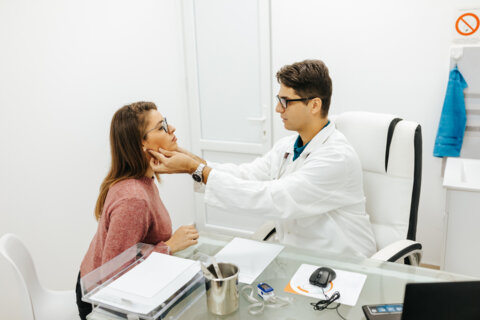
See your GP if you have an external stye (on the outside of your eyelid) that is very painful. Your GP may:
- remove the eyelash closest to the stye – if the stye involves an infected eyelash follicle (a small hole in your skin that an individual eyelash grows out of)
- use a very thin, clean needle to make an incision (cut) into the stye and drain away the pus
Do not try to remove the eyelash or burst the stye yourself.
Referral
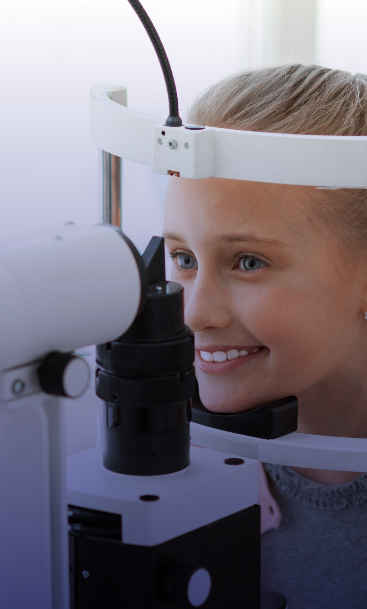
Your GP may refer you to an ophthalmologist (medical doctor who specialises in eye disease) if:
- your stye does not improve after using the above treatments
- you have an internal stye (on the inside of your eyelid) that is particularly large or painful
Your ophthalmologist may make an incision (cut) into the stye and drain out any pus.