
Your GP may be able to easily identify the cause of your watering eye. It may be due to an infection, conjunctivitis, an inward-growing eyelash (entropion) or an eyelid that turns outwards (ectropion).
Referral to an ophthalmologist
If the cause is not obvious, your GP may refer you to an ophthalmologist (an eye care specialist).
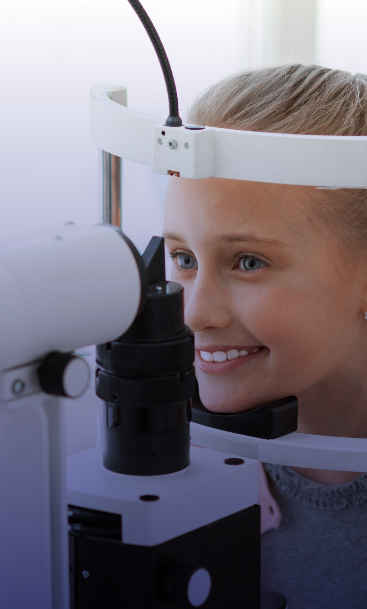
The ophthalmologist will examine your eyes under local anaesthetic (where the area is numbed) to check for blockages in the tear ducts.
A probe may be inserted into your canaliculi (narrow drainage channels on the inside of your eye) to determine whether it is blocked. Fluid may also be injected into your tear duct, to see whether it comes out of your nose.
If your tear duct is blocked, the ophthalmologist may inject a dye into your tear duct to determine exactly where the blockage is. After the dye has been injected, an X-ray will be taken to show the blockage.